The Basics
Why Wisdom Teeth Cause Problems
Wisdom teeth are the third set of molars at the very back of the mouth. They usually appear between the ages of 17 and 25, and many jaws simply do not have room for them.
When there is not enough space, a wisdom tooth may stay trapped in the bone or gum, which is called impaction, or come in only partway. A partly erupted tooth leaves a flap of gum that traps food and bacteria and is very hard to clean. That is why wisdom teeth are such a common cause of swelling, infection and decay at the back of the mouth, both on the wisdom tooth itself and on the molar in front of it.
Not every wisdom tooth needs to come out. The decision depends on its position, whether it is causing problems now and whether it is likely to cause them later. Wisdom tooth removal is one part of the oral surgery we provide at our Oakville office.
Impaction
How Wisdom Teeth Can Be Positioned
Your X-rays show us how the tooth is sitting, which affects both whether it should come out and how involved removal will be.
| Position | What it means | Typical outlook |
|---|---|---|
| Fully erupted | The tooth has come in completely and lines up with the others | Can often be kept if it is healthy and easy to clean |
| Soft tissue impaction | The crown is through the bone but still covered by gum | Prone to gum infection; removal is usually straightforward |
| Partial bony impaction | Part of the tooth is still held in the jawbone | Often removed; may need a small amount of bone reshaping |
| Full bony impaction | The tooth is completely within the jaw | Sometimes monitored; removal is a more involved surgery |
| Angled or horizontal | The tooth is tilted toward or lying against the molar in front | Higher risk of damaging the neighbouring tooth; usually removed |
Symptoms
Signs Your Wisdom Teeth Need Attention
Pain and swelling at the back
Aching behind the last molar, a swollen or tender gum flap, or pain that spreads toward the ear can signal pericoronitis, an infection around a partly erupted wisdom tooth.
A bad taste or odour
Food and bacteria trapped under the gum can cause a persistent bad taste or breath that does not improve with brushing.
Jaw stiffness
Difficulty opening your mouth fully, or soreness when chewing, can happen when infection or inflammation spreads into the surrounding muscles.
Problems on the neighbouring molar
Decay, gum pockets or sensitivity on the second molar are sometimes caused by a wisdom tooth pressing against it or trapping plaque between the two.
Some wisdom teeth cause no symptoms at all while still damaging the tooth next to them. That is why we check them on routine X-rays during your regular checkups, especially in the late teens and early twenties.
A Balanced View
Do Healthy Wisdom Teeth Have to Come Out?
No. If a wisdom tooth has come in fully, sits straight, meets the opposing tooth and can be cleaned properly, it can often stay. We will simply monitor it at your checkups.
Removal is usually recommended when a wisdom tooth is causing infection, decay, damage to the neighbouring molar, cysts or repeated pain, or when its position makes these problems very likely. You may have heard that wisdom teeth cause front teeth to crowd. Research does not show that they are a major cause of crowding, so we do not recommend removal for that reason alone. If straightening is your goal, clear aligners address the crowding directly.
Planning
Imaging, Safety and Sedation
Careful planning is what makes wisdom tooth removal predictable and comfortable.
2D and 3D imaging
A panoramic X-ray shows all four wisdom teeth and their roots. When a lower root sits close to the nerve that supplies feeling to the lip and chin, a 3D CBCT scan shows the exact relationship, so the surgery can be planned to protect it.
Nerve safety
Temporary numbness or tingling after lower wisdom tooth removal is uncommon, and permanent changes are rare. Your dentist will discuss your individual risk based on your scans before you decide.
Your sedation options
Choose from local anaesthetic, nitrous oxide, oral sedation or IV sedation. Our sedation dentistry page explains each option, and we will help you pick the one that suits the procedure and how you feel.
Getting ready
If you are having oral or IV sedation, you will be given instructions about eating and drinking beforehand and will need an adult to drive you home. Wear comfortable clothing and bring a list of your medications.
Recovery
What Recovery Looks Like, Day by Day
Everyone heals at a slightly different pace, but most recoveries follow a similar pattern.
| When | What is normal | What helps |
|---|---|---|
| First 24 hours | Oozing, numbness wearing off, mild to moderate soreness | Gauze pressure, rest with your head raised, cold packs 20 minutes on and off |
| Days 2 and 3 | Swelling and stiffness peak, some bruising is possible | Pain relief as directed, soft foods, plenty of fluids, gentle salt water rinses from day two |
| Days 4 to 7 | Swelling and pain steadily improve | Warm compresses for stiffness, slowly return to softer normal foods |
| Week 2 | Most people feel close to normal; stitches dissolve | Keep the sites clean, especially after meals |
| Weeks 3 to 6 | The gum closes over and the bone continues to fill in | Normal diet, with care around the healing sockets |
Eating Well
A Simple Food Plan for Healing
Good nutrition helps you heal faster. The trick is choosing foods that need little chewing and will not get stuck in the sockets.
Days 1 and 2
Cool or lukewarm, smooth foods: yogurt, applesauce, smoothies eaten with a spoon, pudding, broth and blended soups that are not hot. Cold foods also help with swelling.
Days 3 to 5
Soft foods that need minimal chewing: scrambled eggs, mashed potatoes, oatmeal, soft pasta, flaked fish, cottage cheese and well-cooked vegetables.
After about a week
Gradually return to your normal diet as comfort allows, chewing mostly with your front and middle teeth at first.
Avoid for now
Chips, nuts, seeds, popcorn, rice grains, very spicy or acidic foods, alcohol and anything eaten through a straw, all of which can irritate or dislodge the healing clot.
Checklist
Before Your Surgery Day
A little preparation makes the first few days far easier.
- Arrange a responsible adult to drive you home and stay with you if you are having sedation
- Fill any prescriptions ahead of time so they are ready when you get home
- Stock up on soft foods, ice packs or bags of frozen peas, and extra pillows to keep your head raised
- Plan two to three quiet days off work, school and the gym
- Follow the eating and drinking instructions you are given for sedation
- Tell us about any medications, supplements or health changes, including pregnancy
We check in after surgery and are happy to see you for a follow-up visit if anything feels off during healing.
Know the Signs
Dry Socket and When to Call Us
A dry socket happens when the blood clot that protects a healing socket breaks down or is dislodged, leaving bone exposed. It usually shows up two to four days after surgery as pain that gets worse instead of better, often spreading to the ear, sometimes with a bad taste and a socket that looks empty. Smoking, vaping, drinking through a straw and vigorous rinsing all raise the risk. It is very treatable: we clean the area and place a soothing medicated dressing, and most people feel relief quickly.
Call us at (647) 362-8140 if you notice any of the following:
- Bleeding that soaks through gauze after an hour of firm pressure
- Pain that increases after day three
- Swelling that keeps growing after the third day, fever or pus
- Numbness of the lip, chin or tongue that has not faded by the next day
If swelling affects your breathing or swallowing, go to the nearest emergency department.
Coverage
Cost and Insurance
The cost of wisdom tooth removal depends on how many teeth are involved, how deeply they are impacted and the type of sedation you choose. You will receive a written estimate based on the current Ontario Dental Association Fee Guide after your consultation and X-rays.
Many dental plans include coverage for extractions and surgical removal, and we direct bill most insurers. We can send a predetermination so you know what your plan will pay before the procedure. You can learn more about our team on the About Us page, find forms on the new patients page or contact us with questions.
FAQ
More Wisdom Tooth Questions
What is the best age to remove wisdom teeth?
When removal is needed, the late teens to mid-twenties is often ideal. The roots are usually not fully formed yet, the surrounding bone is more flexible and healing tends to be faster. Wisdom teeth can still be removed safely later in life, but recovery may take a little longer.
Should all four wisdom teeth be removed at once?
Often, yes, if more than one needs to come out. Treating them in a single visit means one appointment, one round of sedation and one recovery period. In some cases, for example when only one tooth is causing problems or for medical reasons, we remove them separately.
Will I be asleep during wisdom tooth removal?
You can be. Options range from local anaesthetic alone to nitrous oxide, oral sedation and IV sedation, which leaves you deeply relaxed with little or no memory of the procedure. If you choose oral or IV sedation, you will need an adult to drive you home and stay with you for the rest of the day.
How long does the procedure take?
Removing a single erupted wisdom tooth may take around 20 minutes, while removing four impacted teeth typically takes about an hour. Your appointment will be longer to allow time for sedation, recovery and going over your aftercare instructions.
When can I go back to work, school or the gym?
Most people take two to three days off work or school, and longer if the teeth were deeply impacted. Avoid strenuous exercise for about a week, because raising your heart rate can restart bleeding and increase swelling.
Can I smoke or vape after wisdom tooth removal?
It is best not to. Smoking and vaping slow healing and are among the biggest risk factors for dry socket, because the suction and chemicals can dislodge the protective blood clot. Avoid them for at least 72 hours, and longer if you can.
Payment
Payment Options
We believe in transparency and will always keep you informed about the cost of your care. Family Dentist Tree follows the current Ontario Dental Association Fee Guide, ensuring our pricing is fair, consistent, and in line with provincial standards.
Our office provides direct billing to most insurance companies and can receive payment directly on your behalf. For added flexibility, payment plan arrangements are also available if you would prefer to spread out costs over time.
Call (647) 362-8140 with questions. We are here to help.












Visit Us
Our Studio
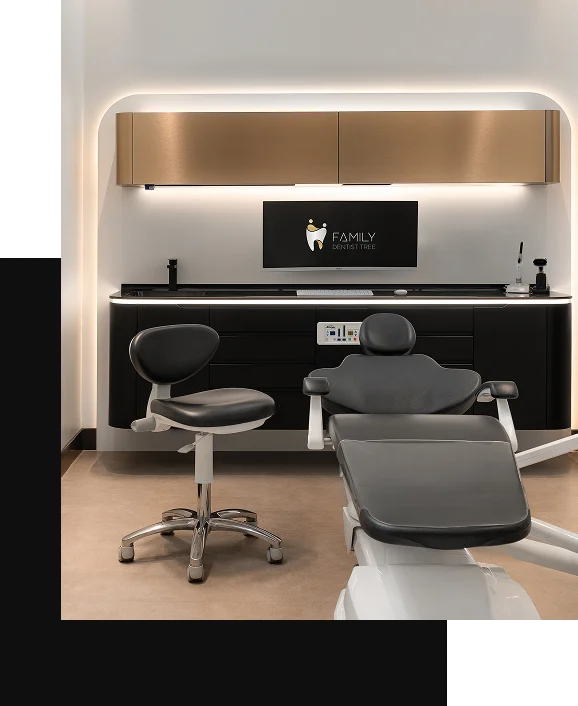
Our goal is for you to leave our office with a memorable and enjoyable experience. Our welcoming and compassionate staff will do everything they can to make you feel right at home. Tour our dental studio before you commit! Meet our Oakville dentists and see how we make every smile our priority.
- Hours
- Monday to Thursday: 8:00am to 7:00pm
Friday: 8:00am to 3:00pm
Saturday: 9:00am to 2:30pm - Phone
- (647) 362-8140
Book Your Experience Today
Let us make your next dental visit something to look forward to. New patients enjoy free take-home teeth whitening with their first visit.